
You drive through the heat of Bellflower freeways, stop at downtown Lakewood lights, or head out to the beach from Cerritos, California, on weekends. Your Ford does all that. You want it running smoothly for years. At Norm Reeves Ford Superstore, you expect that kind of reliability.
This comprehensive guide to Ford’s oil change intervals and maintenance shows how simple, regular care keeps your engine healthy. It helps you understand what Ford recommends, how your driving affects what’s needed, and why bringing your vehicle in at the right time matters.
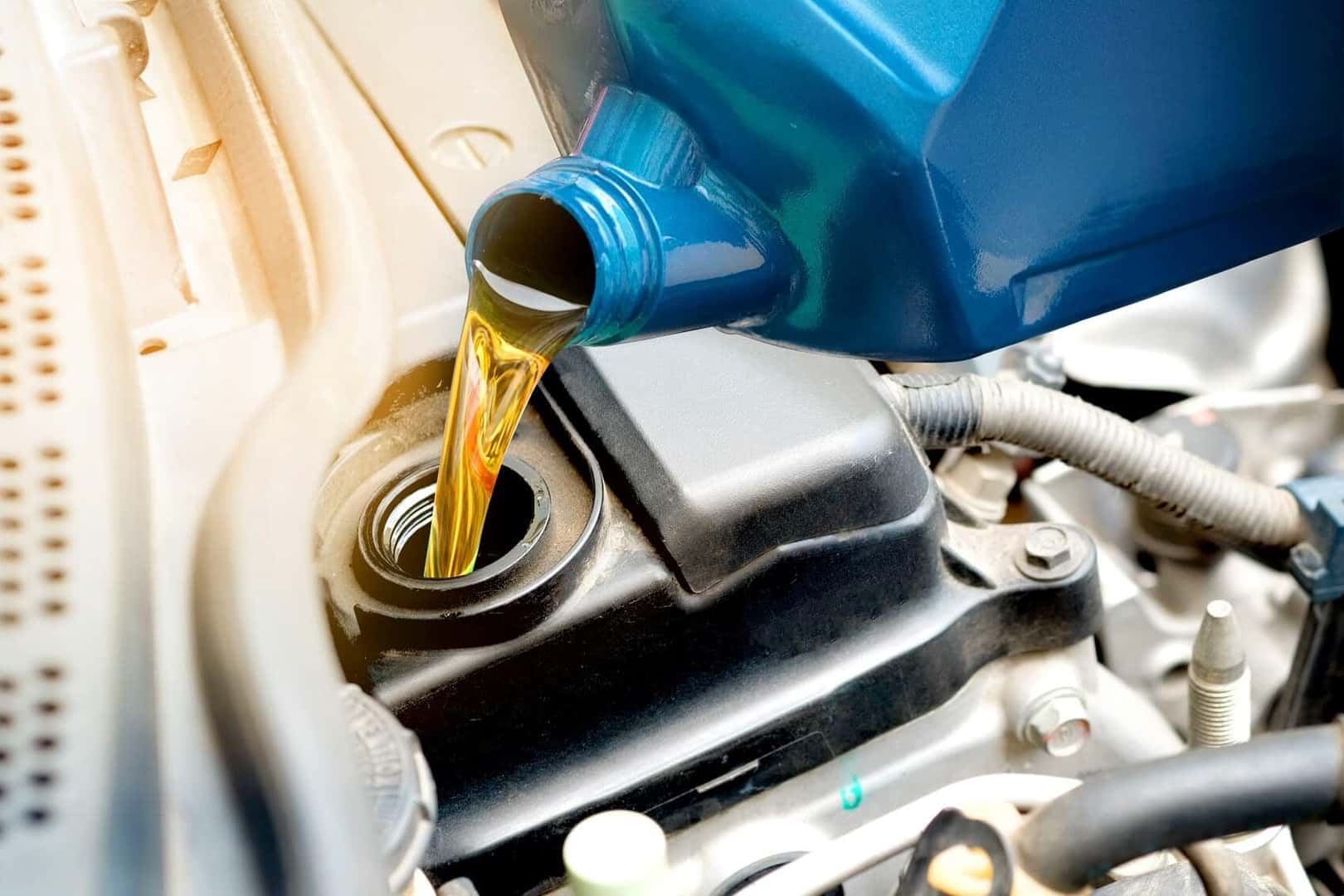
Every time your Ford’s engine runs, oil protects moving parts. It reduces wear on cylinders, pistons, and valves and helps carry away heat. If oil gets old or dirty, the protection drops. Sludge or particles damage parts and reduce efficiency. Keeping oil clean helps your engine breathe easier.
You might notice a slight drop in performance if oil becomes contaminated. Fuel economy can slide. Engine may run hotter. Over time, minor problems become big repairs. Regular oil changes help avoid unexpected breakdowns. Ford vehicles have specific oil and filter requirements. Using oil that meets those standards keeps seals and components healthy.

Ford suggests an oil change every 7,500 miles or six months, whichever comes first, for many newer models. That interval keeps your engine lubricated and free from harmful buildup. (Yes, even if you don’t drive much, time affects oil quality.)
Some newer Ford vehicles include the Intelligent Oil-Life Monitor (IOLM). It tracks driving patterns, engine temperature, idle time, speed, outside temperature, and tells you when your oil really needs replacing. If you mostly take short trips around Downey or idle in Cerritos traffic, the system often alerts you sooner.
If your Ford lacks IOLM or is an older model, you follow a more traditional schedule: about 3,000 to 5,000 miles in rough usage, such as frequent short drives, towing, or very high heat. If your driving stays gentle (highway stretches, regular cruising), you may stretch toward the 7,500-mile / six-month guideline. Always check your owner’s manual for the right interval for your specific engine and model.

When it comes to oil changes, both distance and time matter. Every mile you drive adds wear and allows contaminants to build up. Even if you do not drive much, every month that passes causes oil to degrade through oxidation and the breakdown of additives. Heat in Southern California speeds up this process, so even parked vehicles are affected.
That is why Ford recommends following the marker that comes first. If your manual says 5,000 miles or six months, change the oil once you hit either of those limits. This way, your engine remains protected even if your driving habits vary.
Newer Ford models often include the Intelligent Oil-Life Monitor®. That feature learns from how you drive ‒ average speeds, idling, temperature, frequency of trips. In many cases, you reach the oil change notice between 7,500 and 10,000 miles. Ford’s Owner Maintenance Schedule page indicates the recommended oil change interval is every 7,500 miles or six months, whichever comes first, for many newer Ford models.*
Ford designs its engines to work with Motorcraft® oil that satisfies factory specifications. Some engines require full synthetic oil, while others do fine with conventional oil. Using the correct oil keeps engine parts protected and helps maintain fuel efficiency and durability. It also supports warranty coverage.
Yes. Many people in the area scheduled that. Rotating tires when you bring your car in for an oil change ensures they wear more evenly. This improves handling, reduces vibration, and can extend tire life.
You owe your Ford easier cruising through Cerritos freeways, dependable power on Anaheim Street, and reliable performance up the 605 from Downey. Norm Reeves Ford Superstore, serving Lakewood and Bellflower, CA, offers full factory-recommended maintenance. You drive your Ford while our certified technicians use genuine parts and correct oil. Contact us to schedule your service appointment.
*Source: Ford.